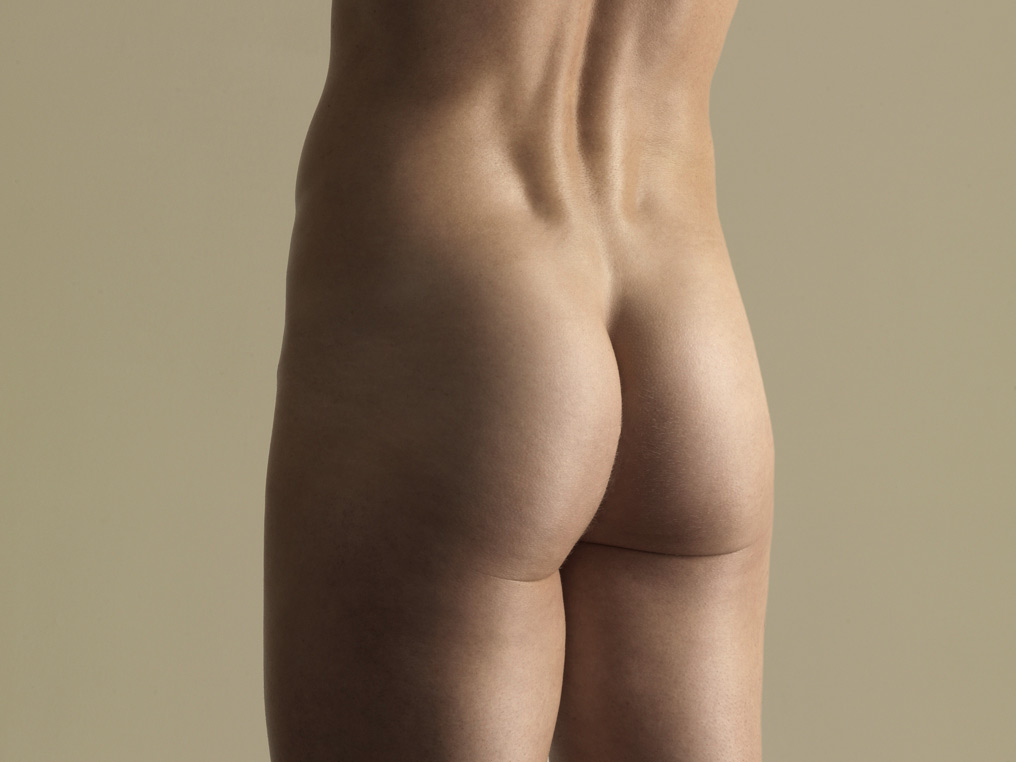



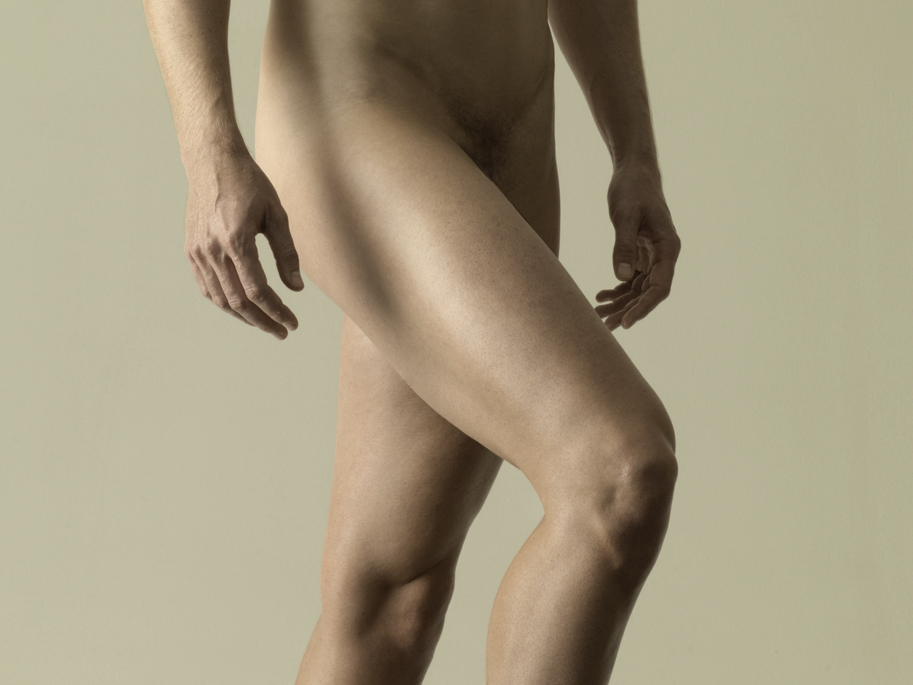
A testicular implant replaces the volume of a missing testicle. It serves to restore the natural shape and symmetry of the scrotum but does not perform any hormonal or reproductive functions. This reconstruction can improve the aesthetic appearance and enhance physical well-being.
This procedure is performed on men who have had a testicle removed due to illness or injury, or who were born without one. Common causes include testicular cancer, testicular torsion (twisting of the testicle), accidents, infections or congenital abnormalities. Reconstruction using a testicular implant can help to significantly improve the self-confidence and quality of life of many of those affected.
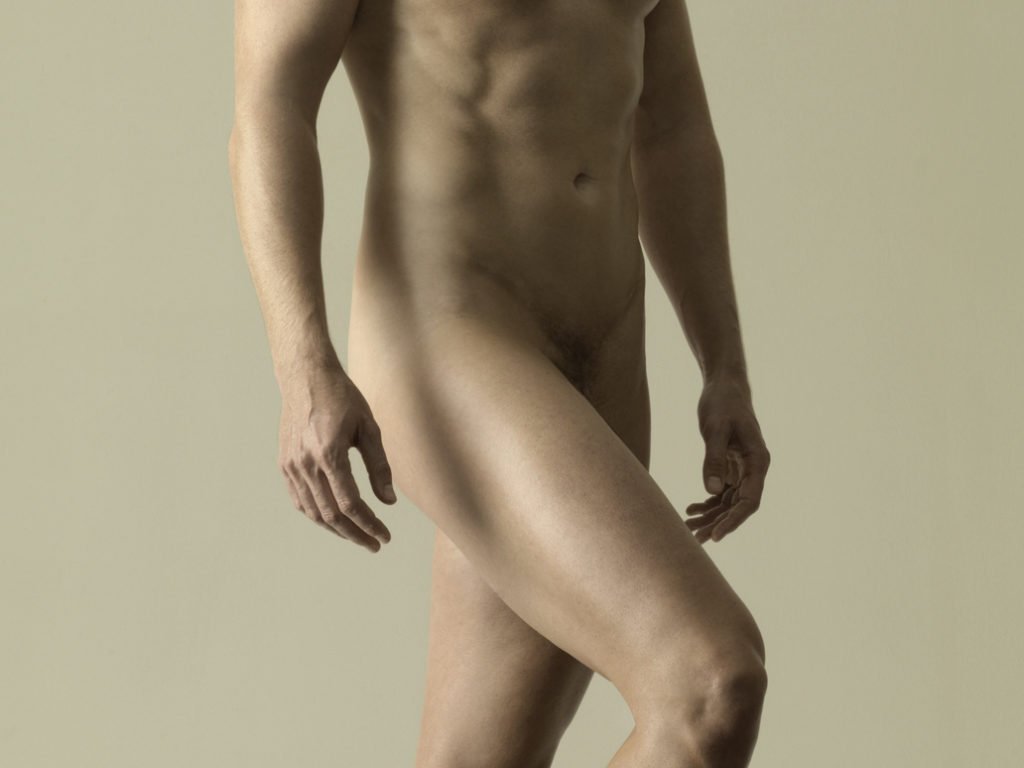
Considerations
A testicular implant may be a suitable option for you if one or more of the following apply:
- A testicle has had to be surgically removed.
- A testicle is missing due to an injury or illness.
- A testicle is missing from birth or is significantly smaller than normal.
- You find the asymmetry of the scrotum unsightly.
- You feel psychologically distressed by the change in appearance.
- The absence of a testicle affects your self-esteem and well-being in social situations (e.g. when doing sports, swimming or in intimate situations).
- You would like to restore the natural shape and symmetry of the scrotum.
- To determine whether a testicular implant is appropriate in your case, we recommend that you seek advice from PD Dr Oliver Scheufler, a specialist in plastic, reconstructive and aesthetic surgery, at the AARE KLINIK.
Consultation
A testicular implant is an option for men at various stages of life and can be fitted at any age. Patients particularly often seek reconstruction following the removal of a testicle due to testicular cancer or testicular torsion. The prerequisites for the procedure are good overall health and realistic expectations regarding the outcome.
The implant improves the appearance of the scrotum but does not replace the hormonal function or fertility of a natural testicle. The shape, size and texture of the implant are tailored to the patient’s individual anatomy in order to achieve the most natural-looking result possible.
To determine whether a testicular implant is appropriate for you, we recommend a personal consultation with PD Dr Oliver Scheufler, a specialist in plastic, reconstructive and aesthetic surgery, at the AARE KLINIK. During an in-depth consultation, we will discuss your wishes, your anatomical conditions, and the possibilities and limitations of the procedure.
Procedure
At the AARE KLINIK, Bern, Swiss, the insertion of a testicular implant is carefully planned to ensure the most natural and safe outcome possible.
The process begins with a detailed consultation with the treating doctor to discuss the patient’s individual situation, as well as their wishes and expectations, to assess whether a testicular implant is feasible and appropriate. This is followed by a clinical examination of the genital area to select the most suitable implant for a natural look and feel. The various implant sizes and materials available are discussed during this process.
Testicular implants usually consist of a soft silicone shell with an elastic filling and are available in various sizes. The aim is to achieve the most natural shape, mobility and symmetry of the scrotum possible.
The procedure is performed via a small incision in the groin area or on the scrotum. A pocket is prepared there into which the implant is inserted. Depending on the initial situation, the implant may also be secured to ensure it remains in a stable position.
Risks
The insertion of a testicular implant is a well-established and generally safe procedure with a high level of patient satisfaction. However, as with any operation, there are certain risks and potential complications, about which you will be given detailed information during your consultation.
Common, mostly harmless side effects include swelling, bruising and mild pain in the area where the operation was performed. These usually subside within a few days to a few weeks. However, hematoma may sometimes need to be surgically removed so as not to compromise further wound healing. Sensory disturbances in the area where the operation was performed do occur occasionally but are usually only temporary.
In rare cases, infections, impaired wound healing or implant displacement may occur. In isolated cases, this may necessitate further surgery, for example to correct the position of the implant or to replace it. In rare cases, a capsule may form around the implant, which will require surgical treatment.
In individual cases, a repeat operation may be advisable in order to treat complications such as extensive haematoma or wound healing disorders.
General risks of the surgical procedure include:
- Haematoma (bruising), bleeding and swelling
- Impaired wound healing or infection
- Displacement or rotation of the implant
- Scarring
- Asymmetry
- Temporary or permanent sensory disturbances
- Pain or a sensation of a foreign body
- Capsule formation around the implant
- Revision surgery
- Thrombosis, possibly embolism
The risk of complications is higher among smokers and patients with chronic conditions such as diabetes. Overall, however, when performed by an experienced plastic surgeon, it is a safe procedure with a very high patient satisfaction rate. You can help minimize certain risks by following the guidelines we recommend before and after the operation.
Preparation
Our aim is to make the process of having the testicular implant fitted, as well as the period before and after the procedure as comfortable as possible for you. By following a few guidelines, you can play an active part in ensuring a safe procedure and a good recovery.
Smokers should stop smoking two weeks before and after the operation, as nicotine can impair wound healing. Medicines that affect blood clotting – such as aspirin, certain painkillers or some dietary supplements – should be stopped in good time, following consultation with a doctor.
The insertion of a testicular implant is usually carried out on an outpatient basis under twilight sedation or general anaesthesia. If the procedure is performed under twilight sedation or general anaesthesia, you should arrive for the operation having fasted. You should also make arrangements to be picked up after the procedure and to have someone look after you at home for the first 24 hours.
In cases where patients have certain pre-existing conditions or more complex circumstances, inpatient treatment at a private hospital may be advisable.
Day of surgery
The insertion of a testicular implant is carried out on an outpatient basis at the AARE KLINIK or, if necessary, as an inpatient procedure at a private hospital in Bern.
During the operation, you will be given various medications to ensure your comfort and safety. The procedure is usually performed under twilight anaesthesia or general anaesthesia.
A small incision is made (usually in the groin or on the scrotum) to create a pocket in the scrotum, into which the previously selected implant is inserted. The incision is then carefully closed with fine sutures. The duration of the operation can vary depending on its complexity and scope and usually takes around an hour.
Following outpatient procedures, you will first be monitored in the recovery room until you are fully awake and able to move around. You may then go home accompanied by someone.
For procedures carried out in hospital, you will be taken to the recovery room after the operation until you are fully awake and able to move around, and will then be transferred to the ward, where you will stay until the following day.
You should start walking short distances regularly on the day of the operation to reduce the risk of thrombosis. Pain following a testicular implant is usually mild and can be effectively managed with mild painkillers. It is important to elevate the scrotum with a cushion (scrotal support) whilst sleeping to help reduce post-operative swelling..
After surgery
The recovery time following a testicular implant varies from person to person. In the first few days, you should take it easy and keep your scrotum elevated as much as possible. Applying cold packs can help to reduce swelling and discomfort.
In the first few days following the procedure, you may experience swelling, bruising and mild discomfort in the surgical area. You should therefore take the prescribed painkillers regularly. Initially, you may experience numbness, a feeling of tightness or a slight sensation of a foreign body, which usually subsides over time. However, it may take weeks or even months for the sensation to return to normal. Mild swelling and bruising usually subside within 2–3 weeks.
You will usually be able to carry out most daily activities after 1–2 weeks. Activities that involve sitting for long periods may still be uncomfortable at first. You should also avoid sporting activities and heavy lifting for around 4–6 weeks. You should also refrain from sexual intercourse during this period so as not to hinder the healing process.
You will usually be able to shower again after just a few days. However, you should avoid full baths, saunas and intense heat for several weeks.
Regular follow-up appointments at the surgery are designed to monitor the healing process until the final result of the operation is achieved.
Outcome
Following the insertion of a testicular implant, swelling and bruising may initially affect the appearance. The healing process is gradual and, naturally, it takes several weeks for healing to be complete and several months before the final outcome of the operation can be assessed.
As healing progresses, the implant helps to restore a more natural shape, symmetry and mobility to the scrotum. Minor superficial wound healing complications may occasionally occur, but these usually heal spontaneously and without consequences with careful wound care. Scars in the genital area may initially appear reddened and swollen or have darker pigmentation, but they usually fade very inconspicuously over time and are barely visible later on.
A testicular implant is used to restore the external appearance following the loss of a testicle. Many patients report feeling more comfortable in their own skin, greater self-confidence and a better quality of life following the procedure. Sexual sensation and function are not usually affected by the implant
Costs
The cost of an insertion of a testicular implant starts at CHF 4,500.
In some cases, the insertion of a testicular implant is a cosmetic procedure that is not covered by health insurance. The cost of a testicular implant for cosmetic reasons starts at CHF 4,500. In such cases, the treatment costs are not covered by health insurance.
In many cases, the loss of a testicle is the result of a medical condition. In such cases, the costs of a medically indicated testicular implant are covered by the health insurance on a case-by-case basis, subject to prior approval. The decision as to whether the insertion of a testicular implant is paid for by the health insurance rests with the health insurance on a case-by-case basis, following the recommendation of the medical officer.
In cases where the procedure is performed for cosmetic reasons, the patient is responsible for covering the costs of treatment. The cost of a testicular implant for cosmetic purposes varies and depends primarily on the complexity of the operation and the facility where it is performed (AARE KLINIK or a hospital). An accurate quote can therefore only be provided following a face-to-face consultation.
The costs consist of:
- Surgical fee (including consultation and post-operative care)
- Anaesthesia fee (if applicable)
- Testicular implant
- Technical infrastructure costs (AARE KLINK/hospital)
- Medicines
- Diagnostic tests (lab tests, ECG, scans, etc.)
Meet PD Dr. med. Oliver Scheufler
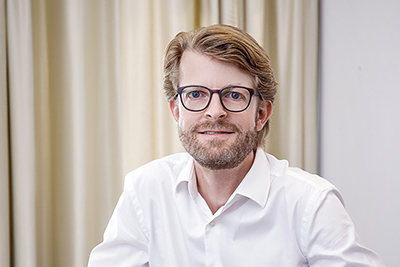
PD Dr. Oliver Scheufler, board certified plastic, reconstructive and aesthetic surgeon and author of this website, is pleased to be at your service for a personal consultation. Besides his main occupation at the AARE KLINIK, Dr. Scheufler is also scientifically active and lectures at the University of Basel. He also was a visiting professor at Duke University (USA). Please do not hesitate to contact him if you wish a professional consultation!